


What Is Breast Augmentation in Los Angeles, California, and Who Is It For?
Dr. Ryan Stanton is famous throughout Los Angeles for creating hourglass curves on countless women. While his signature butt and hip augmentation procedures are our most popular surgical treatments, they constitute only half of the sought-after hourglass figure. In addition to a trim waist and full, rounded buttocks, shapely breasts play a big part in the sensuous figure, and many women seek breast augmentation to achieve it.
Dr. Stanton takes pride in creating natural, proportional results. We like to say, “If you can tell a woman has breast implants, she didn’t get them from Dr. Stanton.” Our breast augmentation procedures create naturally contoured and thus natural-looking breast enhancement, results that women from across the nation come to California to achieve.
This guide helps you understand what’s involved in breast implant surgery. To get your specific questions answered, do not hesitate to call our office at (310) 278-0077 or fill out our online form. We’re happy to provide the insights you need. Breast augmentation surgery, also known as augmentation mammoplasty, places breast implants beneath the breast tissue or the chest muscles to add breast volume, and each plan begins with a careful review of your breast anatomy.
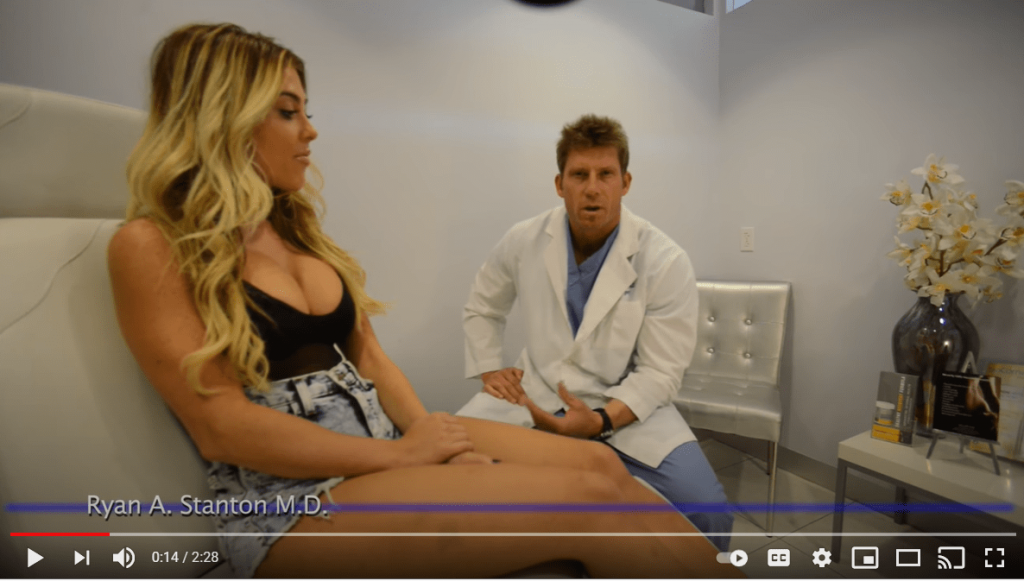
How Breast Augmentation Enhances Breast Appearance?
Breast augmentation is one of the most popular surgical cosmetic treatments in the United States. Every year more than 300,000 breast augmentation procedures are performed in the U.S. Breast augmentation increases breast size and enhances their shape by positioning an implant into the breast. This implant adds volume, and can increase upper pole fullness, rounding out the top of the breast. Whether you want to undergo breast augmentation to add fullness or to balance your proportions, breast implants are chosen to suit your frame and goals.
Breast augmentation can enhance breast appearance in several ways. It is used to increase naturally small breasts to a fuller, larger cup size. Implants are also used to correct asymmetry. All women have some variation between the two breasts, but implants can even out noticeable asymmetry that either occurs naturally or appears after breast-feeding or weight loss. Many women who undergo breast augmentation want a natural appearance, and that goal guides how breast size and breast shape are planned.
This procedure offers a permanent, long-lasting result. As long as the implant remains in the breast, it will continue to increase your breast size. Modern breast implants are strong, durable, and long-lasting. Many of our patients enjoy their implants for a decades before replacement is needed.
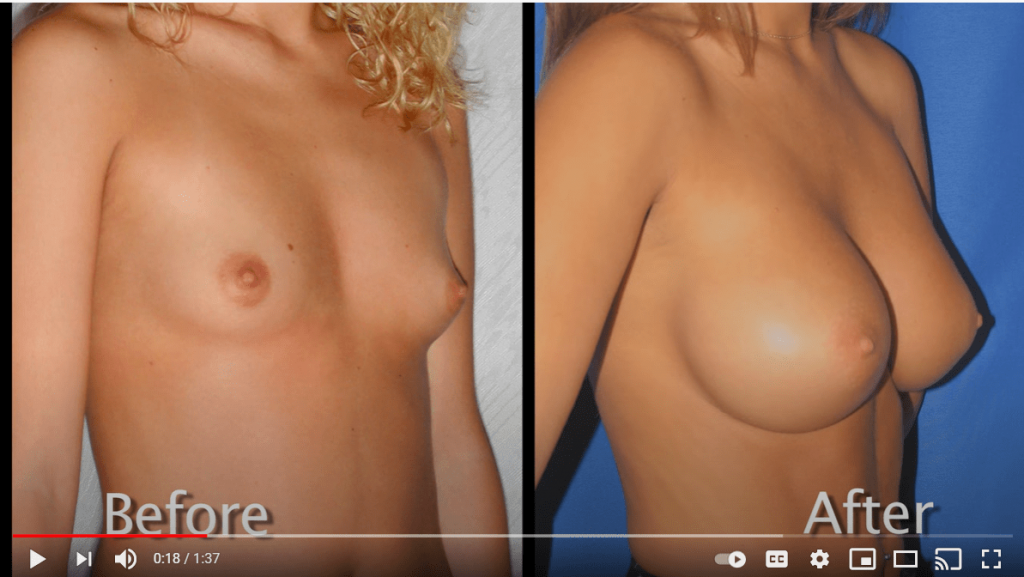
What are the Different Types of Breast Implants?
We offer both saline breast implants and silicone breast implants to our breast augmentation patients. Dr. Stanton typically recommends silicone gel implants because of their more natural look and feel. Both are FDA approved for breast augmentation in women who meet the age requirements, and each breast implant device is selected to suit your breast anatomy and your proportions.
Silicone implants are a popular choice due to their natural appearance and feel compared to saline implants. There are different types of silicone implants available, including cohesive gel options, which provide a more stable and natural feel. Choosing the right implant depends on individual patient anatomy and aesthetic goals. Many modern silicone implants use cohesive silicone gel, a viscous silicone gel that holds together and keeps its shape, and silicone gel implants may feel closer to natural breast tissue.
Saline implants offer some benefits too. The implants themselves are more affordable, typically costing about half as much as a silicone implant. This type of breast implant may be ideal for younger patients as it can help to expand the breast tissues. Saline implants also can be placed through the belly button for a scar-free procedure. Saline breast implants have an empty shell that is filled with sterile saline solution once it is positioned, which can allow a smaller incision than a pre-filled silicone breast implant.
Saline has these benefits, but in most cases, Dr. Stanton finds that silicone is the far superior choice. It is the implant he would recommend for any female family member considering breast surgery.
Breast Augmentation vs. Breast Lift- Which Do I Need?
When women are unhappy with their breast size and shape, breast augmentation with implants come to mind first. Don’t cling exclusively to the implant when other surgical options may bring the desired results.
Women with sagging breasts, also called ptosis, may need a lift, with or without breast implants, to achieve their best breast shape.
How do you know if you need a breast lift? A consultation with Dr. Stanton, a board-certified plastic surgeon, is the best way to determine which cosmetic procedures you’ll benefit from. While you wait for your appointment with Dr. Stanton, a quick comparison of your nipple in relation to the inframammary fold can give you a good estimation of whether you’ll need a lift. If the nipple is lower than the lower breast crease, you’ll likely need a breast lift. A lift restructures the breasts and creates better support and shape. A breast lift can be paired with breast augmentation to improve both breast size and shape.
If a lift is needed, but not performed, you won’t achieve the desired results from your breast augmentation. Breast implants alone provide minimal tissue lifting, raising the breasts about a centimeter, a negligible amount. Since there is insufficient breast tissue support within the breast, the breasts may be unable to support the weight of the implant, and they may drop dramatically a few months after the procedure. If you need a breast lift, we recommend receiving it at the same time as your breast augmentation. A breast lift removes excess skin and raises the nipple position, while breast implants add breast volume, so some women choose both to address sagging breasts.
How Can Breast Augmentation Restore Breast Shape After Pregnancy?
Pregnancy impacts the breasts, abdomen, and vaginal areas most. Post-pregnancy plastic surgery, a transformation we like to call the “Mommy Makeover,” commonly includes breast augmentation.
Many women will need a breast lift after pregnancy. The rapid expansion of the breasts and hormonal changes create a loss of firmness and loose stretched out skin. Many women experience a decrease in upper pole fullness, as their breast volume shifts to lower breast while the top portion becomes flatter, like a stretched-out balloon. Breast implants restore upper pole fullness, and when combined with a breast lift can recreate a rounded, perky breast after pregnancy. Weight loss can also change breast volume and breast shape, and a breast lift with breast implants may help refresh the contour of augmented breasts.
Our mommy makeover may also include procedures like abdominoplasty (tummy tuck), labiaplasty, or liposuction.
*Model
Do Like what you see?
View our gallery to see why Dr. Stanton has earned the name “The Butt King®” and is one of the most sought after plastic surgeons in Los Angeles and beyond.
Am I a Good Candidate for Breast Augmentation?
If you’re unhappy with your breast appearance, you may benefit from breast augmentation or one of our other cosmetic breast surgeries. Dr. Stanton is one of the top “natural contour” breast surgeons in the Los Angeles area. We would love to talk with you about your options for cosmetic breast enhancement if:
- You feel your breasts are currently too small
- There is a size difference between your two breasts
- Weight loss has left your breasts smaller and deflated
- Your breasts have lost firmness or changed shape, size, or appearance after pregnancy or weight fluctuations
Before undergoing breast augmentation, patients should be in good mental and physical health and have realistic expectations. Breast augmentation may help improve body image and self-esteem, and Dr. Stanton can talk with you about whether it suits your goals.
A consultation with Dr. Stanton allows patients to learn about the breast augmentation procedure from a board-certified plastic surgeon with more than 18 years in private practice. Learn about the risks and benefits of breast surgery, explore your breast implant options, and receive personalized treatment options and advice. Schedule your consultation by contacting our office at (310) 278-0077 or fill out our online form today. Candidates should also have a stable weight because weight loss or weight gain can change breast volume after surgery. Cosmetic surgery works best with realistic expectations, so please ask what breast augmentation surgery involves and what breast implants can and cannot do.
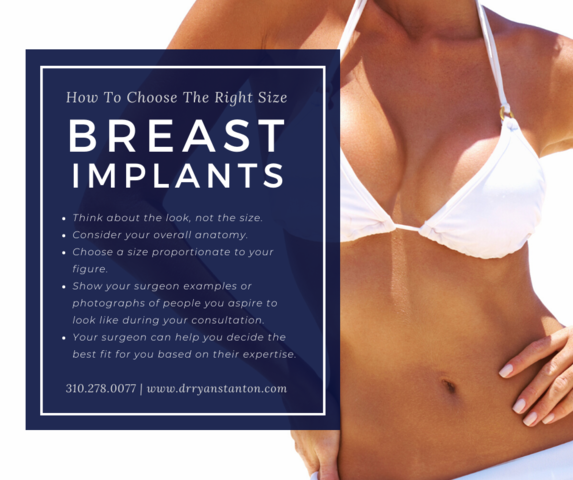
What Results Can You Expect From Breast Augmentation Surgery?
Patient satisfaction rates are very high for breast augmentation, both at our Los Angeles plastic surgery practice and around the country. A 2013 study found that 98% of women achieved results that met or exceeded expectations after their breast augmentation. Breast augmentation results continue to refine as the breast implants settle, so patience is part of the process. Many women also report that a more balanced figure supports their self-image, though individual experiences vary.
The key to getting results you’ll love is working with a highly skilled, board-certified plastic surgeon. Although Dr. Stanton is best known for his butt and hip augmentation results, he also performs many breast surgeries, delighting women with their new curves across Southern California and beyond. This procedure produces stunning results on its own or pairs beautifully with a buttocks and hip enhancement procedure to create those highly desired feminine hourglass curves. A plastic surgeon trained in plastic and reconstructive surgery can explain how breast implants fit your health history.
Learn more about your options for breast and body enhancement at a plastic surgery consultation with Dr. Stanton. Full, rounded breasts are a phone call away. Call 310-278-0077 and ask about breast augmentation surgery in Beverly Hills, CA. You can also schedule a consultation or ask a question via our online form.
How to Choose a Qualified Surgeon?
Selecting a qualified surgeon is crucial for a safe and successful breast augmentation procedure. It’s essential to choose a board-certified plastic surgeon with extensive experience in breast augmentation surgery. Start by checking their credentials and looking for reviews from previous patients. Personal referrals from friends or family members who have undergone the procedure can also be valuable. A qualified surgeon will take the time to discuss your options, answer your questions, and ensure you feel comfortable and informed throughout the process. This personalized approach helps achieve the best possible results and a positive surgical experience. Ask your cosmetic surgeon how many breast augmentations they have performed during your consultation. You can also look at before and after photos of previous patients to assess a cosmetic surgeon’s aesthetic style. Choose a plastic surgeon who performs breast augmentation surgery regularly, and look for training in plastic and reconstructive surgery, which covers both cosmetic surgery and breast reconstruction.
Breast Implant Safety and Possible Complications
Like any cosmetic surgery, breast implant surgery carries risks, and understanding them helps women considering breast implants make a confident decision. As with all surgical procedures, possible complications include infection, bleeding, implant rupture, capsular contracture, and the need for another operation or implant removal.
Capsular Contracture and Scar Tissue
Your body naturally forms a thin layer of scar tissue around every breast implant. In some women, this scar tissue tightens around the implant, a complication called capsular contracture, which can cause firmness, a change in breast shape, and breast pain. Capsular contracture may be treated with a follow-up operation in which the capsule is released or the implants removed and replaced.
Breast Implant Rupture and Follow-Up Imaging
A saline breast implant that ruptures deflates, so the change is usually noticeable. A silicone breast implant rupture may cause no obvious symptoms, so silicone breast implant ruptures are typically found with breast imaging such as ultrasound or magnetic resonance imaging. Any breast implant rupture should be evaluated, and a damaged implant is typically addressed with implant removal or replacement.
Breast Implant Illness and BIA-ALCL
Some women report symptoms such as fatigue, joint pain, and brain fog after receiving breast implants, a pattern often called breast implant illness. This pattern is not a formal medical diagnosis, and researchers continue to study whether implants play a role, so share any health concerns with Dr. Stanton. A rare condition called breast implant associated anaplastic large cell lymphoma (BIA-ALCL) has also been linked to textured breast implants. Breast implant associated anaplastic large cell lymphoma is a lymphoma of the immune system, and Dr. Stanton can explain what is known about it.
FAQs for Breast Augmentation Los Angeles, CA
We have several options for incision placement with breast augmentation. Dr. Stanton will explain your options and help you find the best location for your incisions. An incision under the breast, in the fold where the breast meets the chest wall, is one of the most popular choices. This placement provides excellent access to the breast tissues for a superior cosmetic result while minimizing visible scarring. With this incision, any scarring will be hidden in the breast fold. The inframammary fold is the natural crease where the breast meets the chest wall, which helps conceal the scar, and implant insertion through this fold gives your surgeon clear access to the breast pocket. Healing forms a scar, and an incision placed in the inframammary fold typically fades over time.
Breast augmentation is often paired with other cosmetic treatments, such as a mommy makeover. This post-pregnancy transformation combines breast surgery with a tummy tuck to reverse many post-pregnancy body changes. Patients with breast sagging can often benefit from adding a lift to their augmentation. Dr. Stanton can speak to you about all of your Beverly Hills breast augmentation options in your consultation. Combining a cosmetic surgery procedure with breast augmentation may suit some patients, and surgical procedures performed together affect recovery, so Dr. Stanton will explain the benefits and risks of each plan.
You’ll be ready to hit the beach shortly after your breast surgery, usually within six weeks. It can take some additional time for the breast implants to settle into their final positioning, but you’ll look great in a swimsuit, nonetheless.
We ask our patients to avoid strenuous exercise and heavy lifting for about six weeks after cosmetic breast surgery. You may be able to return to the gym before this, but avoid using weights or doing upper body exercises. Gentle walking on a treadmill is an excellent way to stay in shape as you heal. Breast augmentation recovery is gradual, and some breast pain is common at first, typically easing as healing progresses. Soreness in the chest muscles may last longer if breast implants were placed beneath the muscle.
Many women successfully breastfeed after breast augmentation. The breast implant is placed under the glandular, milk-producing tissue in the breast. Some incision types can make breastfeeding more difficult, so let Dr. Stanton know if you’re hoping to breastfeed in the future. Breast implants may be placed above or beneath the pectoralis major muscle, often called the pectoral muscle, and Dr. Stanton can explain how each placement relates to glandular breast tissue and your breastfeeding goals.
A consultation with Dr. Stanton is the best way to determine the cost of your breast augmentation. The type and size of implants you choose, the difficulty of your operation, and other factors can influence the price. We’ll provide a personalized estimate after we examine your breasts and talk about your goals for treatment.
Many studies have indicated women with implants are not at an increased risk for getting breast cancer. Also, implants do not delay the detection of breast cancer. Numerous studies and evidence from the National Cancer Institute reveal having implants doesn’t hinder the patient or their physician in locating breast tumors. Finally, breast implant patients who get breast cancer have the same chance of obtaining remission or cancer-free for five years as women with no implants. Breast imaging, such as mammography, ultrasound, or magnetic resonance imaging, may be used to evaluate breast implants, so tell your imaging center about your implants beforehand.
Many women in their forties and fifties have undertaken breast augmentation surgery with excellent results. Whatever your age, we encourage you to schedule an appointment to map out the best plan to achieve your aesthetic goals.
Pregnancy will change the shape and size of your breasts whether you have implants or not. These changes may negatively affect the cosmetic improvement of any augmented breast. It is usually recommended that pregnancy be postponed for 6 months after the operation. Breastfeeding with implants is possible and is safe for mother and baby. Women who plan to undergo breast augmentation before having children should know that pregnancy and breastfeeding can alter breast volume and breast shape over time.
Women with sagging breasts may opt for breast implants. But if the nipples droop below the natural breast crease, a breast lift may be the better choice. The two operations are often combined, giving the patient the best size, shape, projection, and elevation possible.
Capsular contracture occurs when the scar tissue that naturally forms around the breast implant tightens and compresses the implant, leading to a hardening of the breast and often causing discomfort or changes in the breast’s appearance. Preventative measures include selecting the appropriate implant size and placement, using implants with a textured surface, and following a post-surgical massage regimen as recommended by Dr. Stanton. In cases where capsular contracture develops, revision surgery may be necessary to remove the scar tissue and replace the implant.
Revision surgery after breast augmentation is not uncommon and can be required for various reasons, such as addressing capsular contracture, implant malposition, or a desire to change the implant size. Dr. Stanton assesses each patient’s unique situation to determine the likelihood of needing revision surgery, aiming to minimize this risk through meticulous surgical planning and technique.
During the breast augmentation procedure, which typically lasts one to two hours, you will be under general anesthesia. Dr. Stanton will make incisions in predetermined locations based on your anatomy and the type of implant chosen. The implants can be placed either above or below the chest muscle, depending on your body type, desired outcome, and Dr. Stanton’s recommendations during your breast augmentation consultation. The goal is to enhance breast size and shape while maintaining a natural look and feel that complements your natural breast tissue. Breast augmentation is typically performed as an outpatient procedure, so you can plan to recover at home after surgery. General anesthesia keeps you comfortable while your surgeon creates the breast pocket and performs the implant insertion, and your anesthesia team reviews the plan with you beforehand.
Cosmetic breast surgery focuses on enhancing the appearance of the breasts to meet the patient’s aesthetic goals. It’s typically sought by patients who wish to increase their breast size, improve symmetry, or restore breast volume lost due to weight changes or pregnancy. Reconstructive breast surgery, on the other hand, aims to rebuild the breast shape and size after mastectomy or injury. Dr. Stanton specializes in cosmetic breast surgery, offering personalized care to achieve natural-looking results. Breast reconstruction rebuilds the breast after a mastectomy, an injury, or a congenital difference, and breast reconstruction may use breast implants, your own fat tissue, or both. Surgeons trained in plastic and reconstructive surgery perform both cosmetic and reconstructive operations, so a consultation can clarify which path fits your goals.
You should be in good mental and physical health before undergoing breast augmentation surgery. Patients should also have realistic expectations, and Dr. Stanton will review your health history and goals during your consultation to help determine whether surgery is a good fit for you.
Ask your cosmetic surgeon how many breast augmentations they have performed during your consultation. Look at before and after photos of previous patients to assess a cosmetic surgeon’s aesthetic style, and choose someone whose results match the look you hope to achieve.
Breast augmentation may help improve body image and self-esteem. Every patient’s experience is different, so Dr. Stanton encourages you to share your goals openly so that you can decide together whether surgery is right for you. A more balanced figure may also support your self-image.
Breast augmentation is typically performed as an outpatient procedure, which means you return home the same day. Your surgical team will give you detailed instructions to follow before and after surgery.
Patients should arrange for someone to drive them home after breast augmentation surgery and stay with them for at least the first night. Making these plans ahead of time allows you to rest and focus on healing.
Soreness and swelling are likely for a few weeks after breast augmentation surgery. Patients may experience these symptoms to different degrees, and your surgeon can recommend ways to stay comfortable as you heal.
Breast augmentation is typically performed as an outpatient procedure, which means you return home the same day. Your surgical team will give you detailed instructions to follow before and after surgery.
Most patients feel up to leaving the house within the next day or two after breast augmentation. Plan to rest at first and follow the guidance Dr. Stanton gives you for your recovery.
You will need to take at least three days off from work after breast augmentation surgery. Dr. Stanton will advise you on when to return based on your recovery and the demands of your job.
If you have drainage tubes after breast augmentation, your surgeon will tell you when to return to have those removed. Dr. Stanton will explain whether drains are part of your treatment plan.
If your incisions are closed with stitches that need removal, your surgeon will probably remove them about one week after breast augmentation surgery. Dr. Stanton will tell you what to expect for your incisions.
Your breasts may seem to sit high on the chest at first after breast augmentation, which is normal, as they will settle into their optimal position over the next several weeks. Please contact our office if you have questions about how your breasts are settling.
If you experience warmth and redness in your breast or develop a fever after breast augmentation, you should contact your surgeon, as these could be signs of infection. Prompt attention helps your surgeon decide on the right next step.
Most cosmetic surgeons offer multiple financing options to help patients fit breast augmentation into their budget. Please ask our office about the payment options available to you when you schedule your consultation.
Both silicone and saline breast implants are FDA approved for breast augmentation in women who meet the age requirements. Every breast implant device has its own size, shape, and surface, and Dr. Stanton can explain how these breast implants differ so you can choose the device that suits your goals.
Silicone breast implants are filled with silicone gel, while saline breast implants are filled with sterile saline solution during surgery. Many women find that silicone gel implants feel closer to natural breast tissue. Dr. Stanton typically recommends silicone gel implants, and many silicone implants use cohesive silicone gel, which is designed to hold its shape. He can show you how each type looks and feels so you can choose the breast implants that best suit your frame and goals.
The right breast implants depend on your breast anatomy, your proportions, and your goals. During your consultation, Dr. Stanton will examine your breasts, discuss breast implants of different sizes, profiles, and types, and help you choose a natural-looking result.
Choosing the size of your breast implants depends on your frame, your chest wall width, the amount of breast tissue you have, and your goals. Dr. Stanton will help you choose breast implants that look proportional, and bringing photos of looks you like can help guide the conversation.
Round breast implants add fullness evenly, and round implants can rotate without changing the look of the breast, while shaped implants taper toward the top and must stay in position to preserve their contour. Textured breast implants have a rougher surface that was designed to help an implant stay in place, and Dr. Stanton can explain which breast implants suit your anatomy.
Breast implants can be placed beneath the pectoralis major muscle, often called the pectoral muscle, or above it, behind the glandular breast tissue. Placement beneath the pectoral muscle adds soft tissue coverage that may help breast implants look natural when there is less breast tissue, though soreness in the chest muscles may last longer afterward. Dr. Stanton will recommend a placement based on your body type and goals.
Fat transfer breast augmentation uses liposuction to harvest fat tissue, then places the purified fat graft in the breasts. A fat graft is harvested and placed in stages that Dr. Stanton can explain, and a fat graft uses your own tissue, but fat transfer typically produces a smaller change than breast implants, and part of the fat graft may not survive, so results depend on how much of the transferred fat remains. Autologous fat grafting is not a substitute for breast implants when a larger change is the goal, and a fat graft may need more than one session. Fat transfer breast augmentation may also be combined with breast implants in selected patients, and Dr. Stanton will tell you whether either approach fits your anatomy.
Breast implants can rupture. If a saline breast implant ruptures, the breast becomes noticeably smaller, and you will be aware of it. A rupture of a silicone device filled with cohesive silicone gel may cause no obvious symptoms, so silicone devices are monitored with ultrasound or other breast imaging as recommended by your plastic surgeon. Any suspected implant rupture should be evaluated promptly, and implants removed after a rupture are often replaced during the same surgery.
Implant removal or replacement may be recommended if there is a rupture, a capsular contracture, or a change in your goals, and implants removed because of a complication can often be replaced during the same surgery. Dr. Stanton will explain your options and the timing that suits your situation.
Breast implant illness is a term some women use for symptoms such as fatigue, joint pain, and brain fog after receiving implants. It is not a formal medical diagnosis, and research is ongoing, so please share any symptoms with Dr. Stanton. It is separate from breast implant associated anaplastic large cell lymphoma, a rare condition of the immune system linked to textured devices.
As with any cosmetic surgery, your results can change over time. Significant weight loss can reduce breast volume and change breast size, and pregnancy and breastfeeding can alter breast shape. If you are planning weight loss, discuss it with your plastic surgeon so that your breast augmentation surgery can be planned accordingly. A stable weight helps protect your breast augmentation results, and a breast lift can refine the shape of augmented breasts that have changed over time.
You will notice a change in fullness right away, but swelling can hide your final breast shape for several weeks. Like other surgical procedures, healing varies from person to person, and many patients see their final look within a few months after breast augmentation surgery as the breast implants settle.
Preparing well helps you undergo breast augmentation, also called augmentation mammoplasty, with confidence. Before breast implant surgery, your plastic surgeon, who is trained in plastic and reconstructive surgery, will give specific instructions about medications, nicotine, and the night before surgery, and your anesthesia team will review your health history before general anesthesia. Like any cosmetic surgery, breast augmentation goes more smoothly when you plan ahead for time off and support at home.
Preparing well helps you undergo breast augmentation, also called augmentation mammoplasty, with confidence. Before breast implant surgery, your plastic surgeon, who is trained in plastic and reconstructive surgery, will give specific instructions about medications, nicotine, and the night before surgery, and your anesthesia team will review your health history before general anesthesia. Like any cosmetic surgery, breast augmentation goes more smoothly when you plan ahead for time off and support at home.